Same account as the store. Optional for comments — guests can still comment with a name.
Childcare & Kidswear Blog
Practical guides for parents — fabric, sizing, care, and the story behind Zibi Zoop.
Join our parent mailing list
New blog posts, soft launches and offers — no spam. Unsubscribe anytime.
Loading posts…
Child Development
How to Create a Calm Morning Routine for Your Child: Steps That Reduce Rush, Tears and Stress Before School
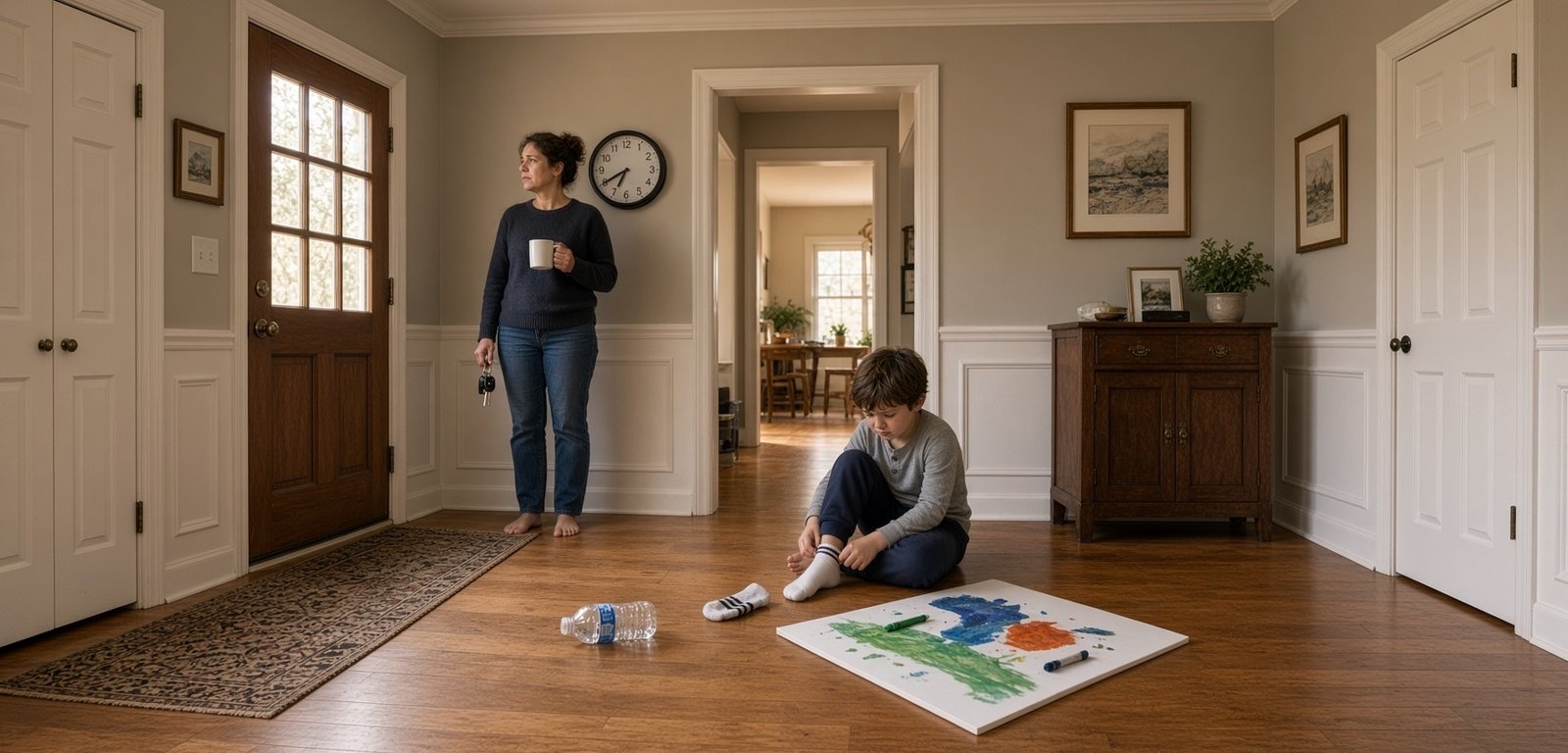
The chaos usually starts in the morning around 7:38 AM. I stare at the clock hold a cup of coffee on the counter and keep my keys in hand. Meanwhile child sits on the hallway floor in one sock crying because the seam on the toe feels bumpy. Child’s water bottle is empty. Suddenly child remembers the poster board needed for class today.
If the house sounds like an air traffic control tower every weekday morning nothing is wrong with my parenting. Nothing is wrong with child. Mornings ask child to do what child’s developing brain can manage: switch from sleep and comfort to high‑speed focus under a deadline.
A schedule or a 5:00 AM wake‑up call is not needed to fix this. The only need is to remove the points of friction that cause the wheels to come off before breakfast.
Why Weekday Mornings Trigger Many Tears
Adults wake up with a clock running through their heads. It is known that spending ten minutes staring at a cereal box means missing the bus and walking in late to work.
Children under nine or ten simply do not experience time that way. To a six‑year‑old "We leave in five minutes". We leave in five hours" feel roughly the same. When parent rushes child’s voice tightens, shoulders. Child’s nervous system picks up on parent’s panic. As child moves child’s brain hits the brakes. Cortisol spikes, cooperation vanishes and a simple request to put on a jacket turns into a standoff.
To lower the temperature in the room the burden of decision‑making and memory must be taken off the child’s shoulders. Off the parent’s shoulders.
1. Build a "Launchpad" the Night Before
The secret to a calm and composed morning routine at 7:30 AM starts around 8:00 PM the evening before. When everyone is just tired and rushing at dawn searching for a library book or a matching shoe is guaranteed to spark the argument.
Select a spot near the front door for your Kid's things, like a basket, a hook, or a smaller bench. Every night just before the bed, pack their homework books into their school bag and place it right there with their shoes next to it.
End the Wardrobe Battles Before Bedtime
Clothing fights are one of the time traps in any home. Many child have preferences thing in the morning; moving from blankets into stiff denim or scratchy tags can overwhelm child. Have child pick out the outfit—down to socks and underwear—before brushing teeth at night. Laying out clothes on a chair means zero negotiations when the alarm rings.
2. Trade Verbal Reminders for a Visual Checklist
When parent tells their children "Go get ready for school" the child is actually asked to perform several tasks: use the bathroom brush teeth take off pajamas get dressed brush hair. Put laundry away. In the hall child spots a toy on the rug and the entire mental list vanishes.
Repeating the instruction ten times drains parent’s patience. It teaches child to tune out parent’s voice until parent raises it. Instead let a piece of paper be the boss.
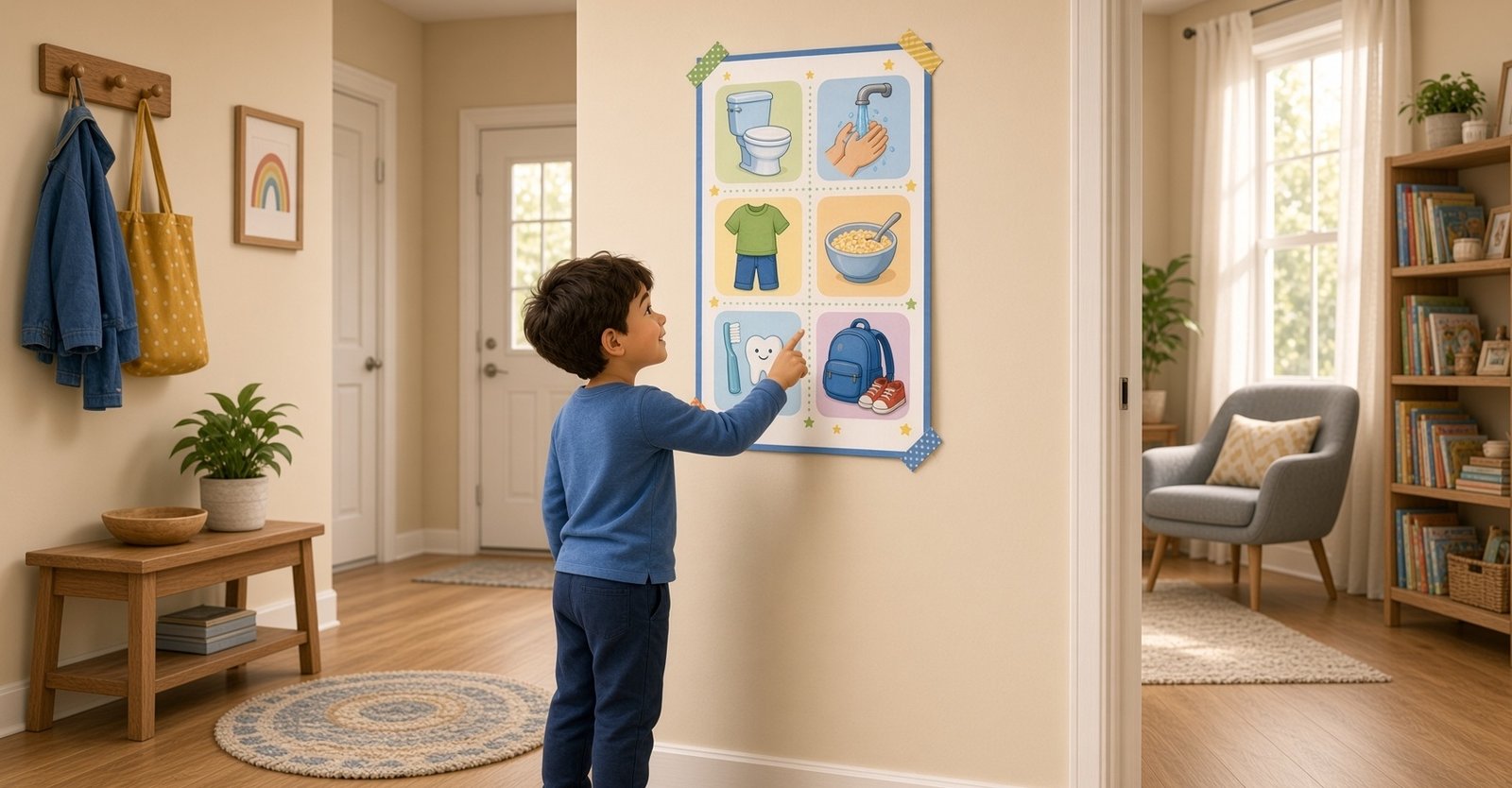
Make a simple morning chart at your child's height level in the hallway with five core steps:
Whenever Using the toilet then don't forget to wash hands
Get dressed in school clothes
Eat breakfast at the table in a mannerful way
Brush teeth slowly and clearly and comb hair
Put on your shoes and grab backpack.
When they goes off track, or skip the lecture. Just calmly smile and ask question, "What is next on your chart little one?" Kids love the pride of checking off their own chart, and it shifts you from Boss to teammate.
3. Change the First Three Minutes of Wake‑Up Time
No one wakes up happy when someone pulls back the curtains flips on a light and immediately announces that everyone is running late.
If parent normally wakes child at 7:00 AM by calling from the kitchen walk into child’s room at 6:57 AM. Sit on the edge of bed. Rub child’s back quietly for three minutes before mentioning a chore. Opening the blinds halfway or playing a song helps child’s brain bridge the gap between sleep and wakefulness. Those three minutes of connection fill child’s cup making child more cooperative when it is time to stand up.
4. Put Breakfast on Autopilot
Weekday mornings are not the time for questions like, "What do you want to eat today?" If you give child choices the child will just freeze and then Demand homemade pancake or donuts when you have only ten minutes left.
Stick to a weekday rotation or the two-choice rule - "Would you like oatmeal with your Farm berries or toast with peanut butter?" You can set up a lower shelf in pantry and fridge with items they can easily grab by themselves, such as peeled boiled eggs, bananas, yogurt cups or dry cereal.
Frequently Asked Questions
How many weeks does it take for kids to get used to such a habit ?
Give it two to three weeks of practice. The first few days usually feel exciting because the visual chart is brand new followed by a pushback in week two. Keep the order of tasks each day. The habit will soon run on muscle memory.
What should I do if child refuses to get dressed?
I have found that dropping power struggle whenever possible helps. Let child sleep in cotton basics so child wakes up already dressed. Let child get dressed in living room where it's warm. Turn three‑minute song into race for child.
Should I allow cartoons or tablets once child finishes getting ready?
I know that screens before school always backfire. Turning off triggers a drop in dopamine and a fresh melt‑down at departure time. Instead offer low‑stimulation rewards, such as ten minutes of drawing playing with blocks or reading a book, on the couch.